

What Is a Brand?
A brand is the combination of research and visual elements that communicate a cohesive identity. It’s more than a name, logo, or color palette. It’s the complete library of ideas, values, and visuals that shape how people perceive your company or organization.
Building a brand is about discovering exactly who you are and creating a system that communicates that identity consistently. The strongest brands know who they are, who they’re speaking to, and why they exist.

How to Build a Strong Brand
Researching The Market
It might seem strange that the first step in understanding your own brand is studying someone else’s, but competitor or comparable organization research is essential. Before you can define your position in the market, you need to understand who’s already there. This idea can also be referred to as point of parity, the elements that make your brand a legitimate player in the field. These questions aren’t meant to show you how you can be different, yet.
Ask yourself:
- What legal requirements should you keep in mind?
- What core features do your competitors offer?
- What are the primary reasons people choose the top company or organization in your field?
- What is the baseline product you need to offer in order to be just as good as top brands in the market?
Once these questions are answered, you can begin to identify your points of differentiation. The gaps you find in your competitors is where you build your niche to stand apart.
Ask yourself:
- What can I offer that my competitors are not?
- What audiences are my competitors speaking to? Who are they not?
- Why should a client choose your brand over your competitors?
Identify Your Audience
The first mistake many companies make is wanting to make a brand that appeals to everyone. The best thing for your brand is to understand that not everyone is your customer, and that’s a good thing.
A successful brand is designed with a specific audience in mind, a niche that only your brand gets. Understanding who you’re speaking to helps shape everything from your messaging to your visual identity.
Ask yourself:
- Who is my ideal customer?
- What problems are they trying to solve?
- What motivates their decisions?
- Where do they spend their time?
- What stage in their life are they in?
- What values matter most to them?
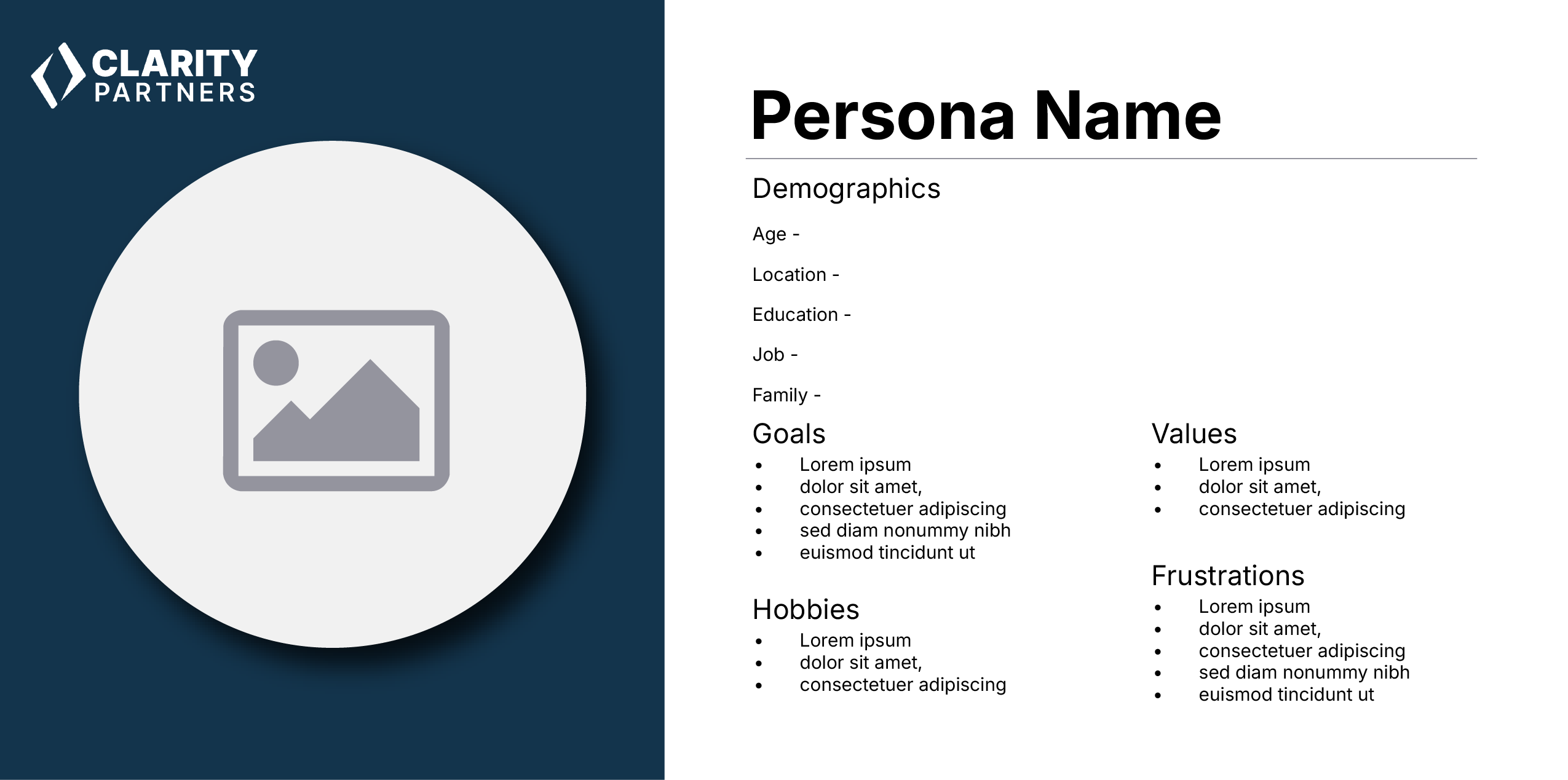
The better you understand your audience, the easier it becomes to create a brand they’ll connect with. Below is a persona template that can be used to identify your audience.
Define Your Purpose
Every memorable brand has a reason for existing beyond making money. This is the story of why your brand came to be. The purpose of your brand lends itself to the greater message behind why people should choose your brand over competitors or adjacent organizations.
Ask yourself:
- Why does this brand exist?
- What problem does it solve?
- What impact does it hope to make?
- Why should people care?
Create Your Brand Personality, Voice, and Tone
The best way to define your brand’s personality and voice is to think: if your brand was a person, who would they be?
Your brand personality is who your brand is on a core level. They are the values, traits, and characteristics you want your brand to convey. Your voice and tone is how you speak and behave in copy and real life. It defines your vocabulary, sentence structure, and style of communicating.
Ask yourself:
- What characteristics define your brand?
- What does your brand value?
- What do you want your audience to feel?
A consistent personality helps customers feel like they know who you are and what they can expect from you.
Choose a Name
Your name is often the first introduction people get to your brand.
A successful name is memorable and reflects your brand’s personality and purpose. Some brands pick names that are abstract or made up, others choose a more direct route. Keep in mind that the name is just a small piece of your identity, the rest of the work you do is what solidifies it as a brand.
Bringing Your Brand to Life
Design the Logo
At this point you might be wondering, “When does the logo come into play?” The answer is always: after research. Your logo should be the result of everything you’ve already discovered, not the start of your journey. Once you’ve defined your audience, purpose, positioning, and personality, you’ve given your designer a foundation to create something unique to your brand. A successful logo performs the duty of communicating the right message to the right people. The best logos are built on research.
Ask yourself:
- What do you want your logo to convey?
- What medium will your logo primarily live in? Digital or print?
- How do I reflect my brand’s personality in my logo?
Build the Visual Identity
Your logo is only one piece of your visual system. A complete visual identity includes colors, typography, imagery, icons, and media style that works together consistently.
Colors
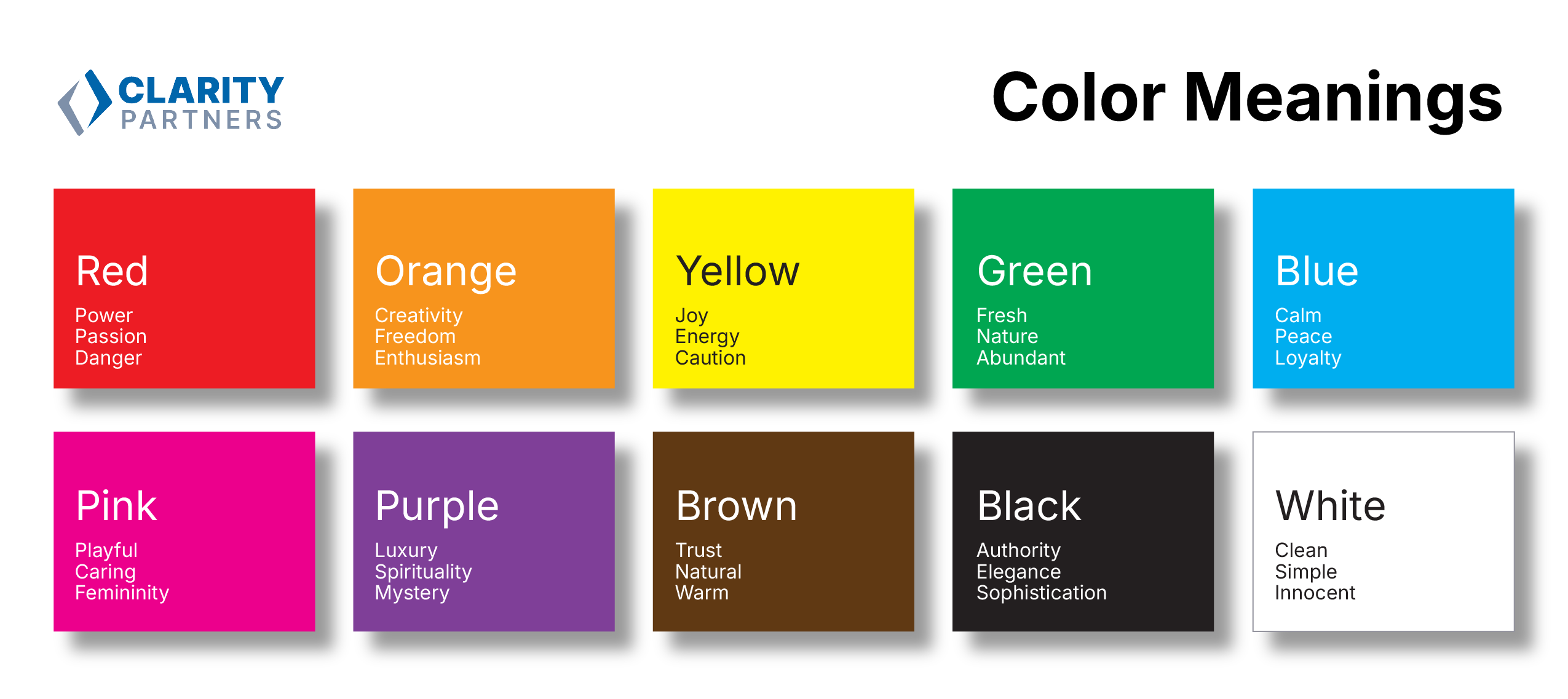
Each color, and color combination, carries predetermined associations that you can’t control. Blue often communicates trust, green suggests growth, black feels sophisticated, while yellow conveys optimism. Every color is someone’s favorite color somewhere, which is why the goal isn’t to use your favorite color. It’s to use a color that conveys your brand’s identity.
Typography
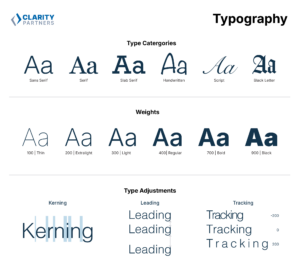
Typefaces, or more commonly known as fonts, have just as big of an impact on your brand as any other piece. A clean sans-serif might feel more modern while a traditional serif communicates history. In the digital age, you might even want a hand written font to show your brand is more grounded.
The magic with typography is that you can pair different fonts together, in the same way you utilize color. Play around with italics, weight, and kerning, to make sure that the font represents your brand. Best practice is to use no more than two or three fonts per brand in order to maintain a consistent image.
Media Style
Not every brand utilizes photography, some will use illustrations or graphics to get their point across. It’s important to understand how and when you’ll need to use visual media. Your brand might even have an interest in video; do you choose a documentary approach to content or are you interested in animation? This is a great area to look at what your competitors are doing as a baseline.
Listen to Your Audience
A brand is an ever evolving organism, but it needs to be rooted in fact. You create these facts by maintaining a consistent brand guide. That being said, as your business grows, your audience will tell you what’s working and what isn’t. Pay attention to customer feedback, analytics, and trends in order to better understand how your brand is being received.
Building a brand isn’t just about creating the perfect logo or choosing the right colors. It’s about creating a clear identity that people trust and remember. When research comes first, every visual decision becomes easier.
Working With Our Team
Are you ready to build your brand? Reach out to our team and we’ll gladly help you put your vision into action.